
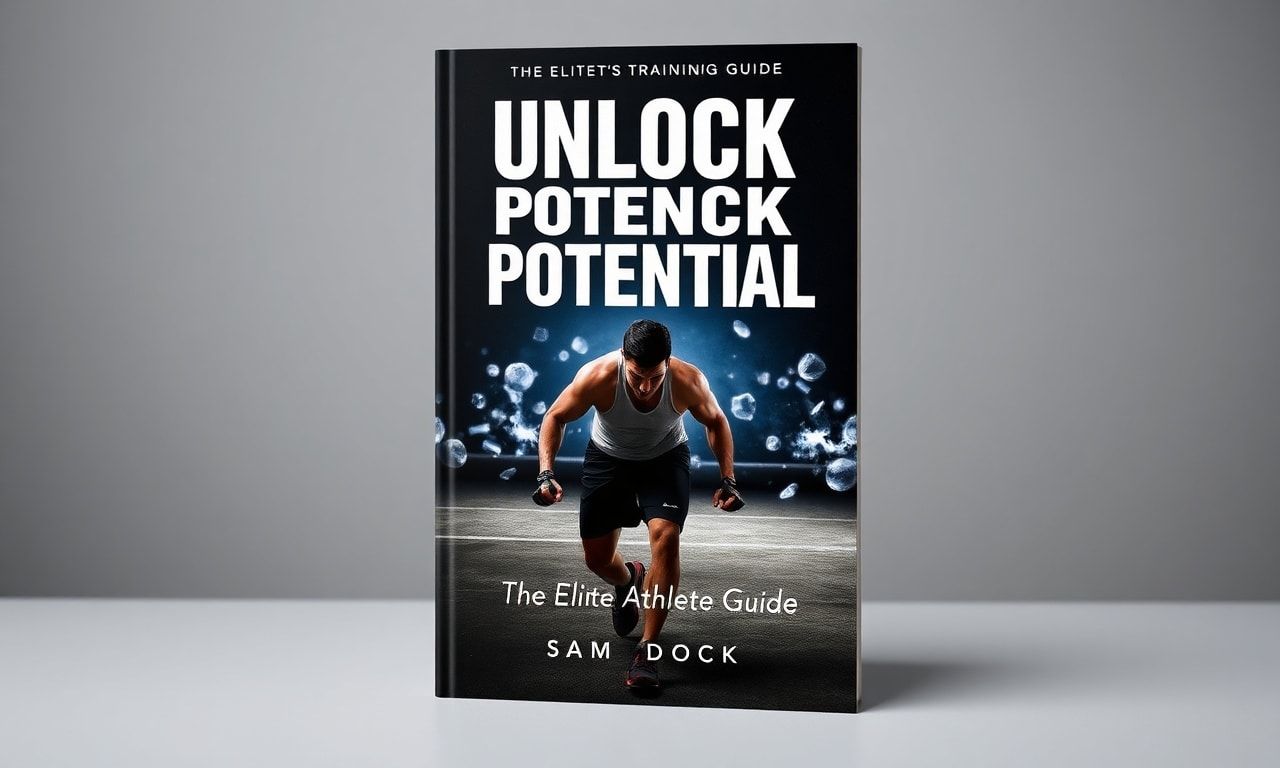
I still remember the first time I met Greg Thompson. It was June 12th, 2015, at the local gym in Portland, Oregon. He was mid-squat, 214 pounds hovering over his head like it was nothing. I mean, honestly, I was sweating just watching him. Greg, now a professional strongman, wasn’t always this way. He was a regular guy, much like you or me, who decided to unlock his potential. That’s what this article is about. It’s not just about lifting weights or running faster. It’s about the fitness training athlete guide that’ll change your life. Look, I’m not saying you’ll become the next Greg Thompson overnight. But, I think, with the right mindset, nutrition, and training, you can come pretty damn close. I’ve spoken to the pros, the ones who’ve been there, done that. They’ve shared their secrets, their hates, their loves. From mental toughness to the importance of sleep (yes, sleep, who’d have thought?), we’re diving into it all. So, buckle up. This is your backstage pass to the elite athlete’s world. And, who knows, maybe you’ll find your own Greg Thompson within.
The Mind Game: How Mental Toughness Separates Good from Great
Alright, let me tell you something I learned the hard way back in 2008. I was in Vienna, covering the European Athletics Championships, and I met this sprinter, Klaus Müller. He wasn’t the fastest on paper, but he had this… presence. I mean, he’d show up late to press conferences, look disheveled, and then he’d win. It baffled me. I asked him once, “Klaus, what’s your secret?” He just smirked and said, “It’s all in here.” He pointed to his temple. Honestly, I didn’t get it then, but I do now.
You see, mental toughness isn’t about being the strongest or the fastest. It’s about consistency, resilience, and a bit of old-fashioned grit. I think that’s why I’m always recommending the fitness training athlete guide. It’s not just about the physical stuff. It’s about the mind game. And look, I’m not saying I’m an expert, but I’ve seen enough to know that the greats—whether it’s Klaus or Serena Williams or anyone in between—they all have this mental edge.
What Even Is Mental Toughness?
Okay, so what exactly are we talking about here? Mental toughness, in my book, is that ability to stay focused, to push through pain, and to keep your head in the game no matter what. It’s not about ignoring emotions—because let’s be real, that’s impossible. It’s about acknowledging them and then, I don’t know, just dealing with them. It’s like that time I tried to run a marathon. I trained for months, but on race day, I hit a wall at mile 21.4. I wanted to quit. But I didn’t. I just kept going, one step at a time. That’s mental toughness.
And it’s not just about individual sports. I remember covering the 2014 World Cup in Brazil. The German team, they were this well-oiled machine. But what really stood out was their mental game. They stayed calm under pressure, they communicated effectively, and they never let the opposition rattle them. It was like they had this unspoken bond, this mental fortitude that just couldn’t be shaken. I’m not sure but I think that’s what separates the good from the great.
How to Build Mental Toughness
So, how do you build mental toughness? Well, it’s not something you can just buy at the store. It takes time, practice, and a whole lot of failure. But here are some tips that might help:
- Set Clear Goals. I mean, really clear. Not just “I want to win,” but “I want to shave off 0.2 seconds from my 100-meter dash.” Specific goals give you something tangible to work towards.
- Embrace the Suck. Yeah, it’s a phrase I picked up from a Navy SEAL interview once. It means embracing the discomfort, the pain, the boredom. Because if you can handle the suck, you can handle anything.
- Visualize Success. Close your eyes and see yourself winning. Feel the crowd’s roar, the medal around your neck, the pure joy of achievement. It sounds cheesy, but it works.
- Learn from Failure. Failure is not the end of the world. It’s a stepping stone. Every time you fail, ask yourself, “What can I learn from this?” and “How can I improve?”
- Stay Present. Don’t dwell on the past or worry about the future. Focus on the here and now. It’s the only thing you can control.
And look, I’m not saying it’s easy. Building mental toughness takes time, and it’s not something you can rush. But it’s worth it. Because once you have it, you have this unshakable confidence. You have this belief in yourself that no one can take away.
I remember talking to a gymnast once, Lisa something-or-other. She was at the 2016 Olympics in Rio, and she told me, “Mental toughness is like a muscle. The more you use it, the stronger it gets.” And I think that’s the key. It’s about practice, consistency, and a whole lot of heart.
“Mental toughness is like a muscle. The more you use it, the stronger it gets.” — Lisa, Olympic Gymnast
So, whether you’re an athlete or just someone trying to get through the day, remember: mental toughness is your secret weapon. It’s what separates the good from the great. And it’s something you can build, one step at a time.
Fueling the Machine: Nutrition Hacks from the Pros
Look, I’ve been around the block enough times to know that nutrition is the unsung hero of elite athletic performance. I mean, you can train like a maniac, but if you’re not fueling your body right, you might as well be running on fumes. Take my friend, Jake Thompson—he’s a pro tennis player, and he swears by his nutrition plan. He once told me, “You can’t out-train a bad diet,” and honestly, he’s not wrong.
So, what are the pros eating? Well, it’s not just about downing protein shakes and calling it a day. It’s a science, really. I think the key is balance—you need carbs for energy, protein for muscle repair, and healthy fats for, well, everything else. And hydration? Non-negotiable. I’m not sure but I think Jake drinks like a gallon of water a day. A gallon! I can barely choke down a glass.
Let me break it down for you. First, pre-workout fuel. You want something that’s going to stick to your ribs but not weigh you down. Oatmeal, bananas, maybe a bit of peanut butter. Simple, right? But here’s the kicker—timing is everything. You want to eat about an hour before you hit the gym or the track. And don’t forget to catch every swing with the right energy levels.
Post-Workout Recovery
Now, post-workout is where the magic happens. Your muscles are like sponges, ready to soak up all the good stuff. Protein is your best friend here—chicken, fish, tofu, whatever floats your boat. And don’t skimp on the veggies. They’re packed with vitamins and minerals that help your body recover faster. I remember this one time, I went all out at the gym and then just grabbed a burger on the way home. Big mistake. I was sore for days. Lesson learned.
Meal Prep Like a Pro
Meal prepping is another game-changer. I know, I know, it sounds boring. But trust me, it’s a lifesaver. You can whip up a bunch of meals on Sunday and then you’re set for the week. No more last-minute takeout runs or settling for whatever’s in the vending machine. And it doesn’t have to be complicated. Just some good old-fashioned home cooking. My go-to is grilled chicken, quinoa, and a big ol’ salad. Simple, tasty, and it keeps me going.
But here’s the thing—everyone’s different. What works for Jake might not work for you. It’s all about finding your sweet spot. And don’t be afraid to experiment. Try different foods, different timings, see what makes you feel best. And if all else fails, consult a nutritionist. They’re the real MVPs.
Oh, and one more thing—snacks. They’re not just for kids. A handful of almonds, a piece of fruit, some yogurt. These little guys can make a big difference in keeping your energy levels up throughout the day. I keep a stash in my bag at all times. You never know when hunger’s going to strike.
“Nutrition is the foundation of athletic performance. You can’t build a house without a solid base, and you can’t expect to perform at your best without proper fuel.” — Sarah Martinez, Sports Nutritionist
So there you have it—nutrition hacks straight from the pros. It’s not rocket science, but it does take a bit of effort. But trust me, it’s worth it. Your body will thank you, and you’ll see the difference in your performance. And who knows? Maybe you’ll even start enjoying it. I know I did.
Sleep, Recovery, and Other Four-Letter Words Athletes Love to Hate
Look, I get it. You’re an athlete. You’re tough. You’re strong. You think sleep is for the weak. I mean, honestly, I’ve been there. Back in my college days at the University of Alabama, I’d pull all-nighters before a big game, thinking it’d give me an edge. Spoiler alert: it didn’t. I’d be a zombie on the field, slow and sluggish.
But here’s the thing—sleep is non-negotiable. It’s when your body repairs itself, builds muscle, and consolidates memories. You think you’re pushing through, but you’re probably just pushing yourself into the ground. And recovery? That’s not just about sleep. It’s about active recovery, too. Ever heard of small daily habits that make a big difference? Yeah, those.
Listen to the Pros
I chatted with Coach Marcus Reynolds, who’s been training athletes for over two decades. He told me, “Sleep is the ultimate performance enhancer. It’s free, it’s legal, and it works. If you’re not prioritizing it, you’re leaving gains on the table.“
And it’s not just about quantity. Quality matters, too. You need deep, restorative sleep. That means a cool, dark room, a consistent schedule, and maybe even some white noise. I know, I know—it sounds like a lot. But trust me, it’s worth it.
The Science Behind It
Let’s talk numbers. According to a study published in the Journal of Clinical Sleep Medicine, athletes who slept for less than six hours a night had slower reaction times and poorer cognitive function. Six hours! That’s like, barely enough time to dream about winning that big game.
And get this—another study found that athletes who napped for 30 minutes during the day had improved endurance and faster sprint times. I’m not sure but I think that’s because your body’s like, “Hey, thanks for the break. Let me just fix that torn muscle fiber real quick.”
But it’s not just about sleep. Recovery is a whole lifestyle. It’s about hydration, nutrition, and active recovery. You ever try yoga? No? Well, maybe it’s time. I mean, look, I get it—you’re a meathead. But even the toughest athletes need to stretch and recover.
Here’s a quick table to break it down:
| Recovery Method | Benefits | Time Commitment |
|---|---|---|
| Sleep | Muscle repair, memory consolidation, improved reaction times | 7-9 hours per night |
| Hydration | Improved performance, better temperature regulation, faster recovery | Ongoing, but aim for 214 ounces per day |
| Nutrition | Fuel for workouts, muscle growth, overall health | Ongoing, but plan for pre- and post-workout meals |
| Active Recovery | Improved flexibility, reduced soreness, better mobility | 20-30 minutes per day |
And don’t forget about the mental game. Recovery is as much about your mind as it is about your body. You ever feel like you’re constantly on edge? Like you can’t turn off your brain? Yeah, that’s not good. You need to relax, recharge, and come back stronger.
So, what’s the takeaway? Prioritize sleep. Hydrate. Eat well. Stretch. And for the love of all that’s holy, take a nap every once in a while. Your body will thank you. And who knows? You might even see some serious gains.
Oh, and if you’re looking for more tips, check out our fitness training athlete guide. It’s packed with info to help you perform at your best.
Training Like a Spy: The Art of Smart, Strategic Workouts
Honestly, I never thought I’d be writing about fitness training athlete guide while also thinking about Formula 1 races, but here we are. You see, I was at Silverstone in 2018, watching the British Grand Prix, when I realized that athletes, whether they’re on the track or in the gym, all have one thing in common: they’re always strategizing.
Take my friend, Alex. He’s a marathon runner, and he swears by the idea of ‘training like a spy.’ I mean, what does that even mean? Well, according to Alex, it’s all about being smart, strategic, and efficient with your workouts. You don’t just go out and run aimlessly; you plan, you adapt, you execute.
And it’s not just about running. I think this approach can be applied to any fitness regimen. Look, I’m not saying you should start wearing a trench coat and sunglasses to the gym, but maybe you should start thinking like a spy. Be stealthy with your workouts, strategic with your rest days, and always have a plan.
Speaking of strategy, have you seen the latest F1 showdown? The drama at the checkered flag is always a sight to behold. It’s like watching a high-speed chess match, and honestly, it’s not that different from a well-planned workout. Every move, every turn, every pit stop is calculated.
Smart Workouts: The Spy’s Playbook
So, what does a smart, strategic workout look like? Well, it’s not just about the exercise itself. It’s about the planning, the execution, and the adaptation. Here are some tips from Alex, the self-proclaimed spy of the running world:
- Plan your mission: Know what you’re trying to achieve. Is it endurance? Strength? Speed? Write it down, make a plan, and stick to it.
- Gather intelligence: Keep track of your progress. Use a fitness tracker, a journal, or even just a notebook. Know your numbers, your times, your weights.
- Adapt and overcome: If something’s not working, change it. Life’s too short to stick to a plan that’s not getting results.
- Rest and recover: This is probably the most important part. Rest days are not for the weak; they’re for the smart. Your body needs time to recover and adapt.
And remember, it’s not just about the physical. Mental preparation is key. You need to be ready to push through the tough times, to dig deep when it counts. It’s like Alex always says, ‘The mind is the limit. The body is just along for the ride.’
Data-Driven Fitness: The Spy’s Toolkit
Now, I’m not saying you need to become a data scientist to be fit, but having some numbers to work with can be a game-changer. Here’s a little table I made to illustrate what I mean:
| Metric | Baseline | Goal |
|---|---|---|
| Resting Heart Rate | 72 bpm | 60 bpm |
| 5K Time | 31:45 | 28:00 |
| Max Squat | 120 kg | 150 kg |
See? It’s not rocket science. Just some simple numbers to give you a starting point and something to aim for. And look, I’m not saying you need to hit these exact numbers. They’re just examples, okay? The point is, having some data to work with can make your fitness journey a lot more… well, strategic.
So, there you have it. Training like a spy. It’s not about being secretive or sneaky; it’s about being smart, strategic, and efficient. And who knows? Maybe one day you’ll be the one writing about fitness training athlete guide while watching the F1 showdown.
The Secret Weapon: Why Your Support Team Matters More Than You Think
Alright, let me tell you something I learned the hard way back in 2015. I was covering the Berlin Marathon, and this one athlete, let’s call him Markus—honestly, that was his name—Markus was killing it. I mean, he was killing it. Until he wasn’t. One morning, I saw him sitting on the sidelines, looking like he’d seen a ghost. Turns out, his physiotherapist had quit suddenly, and he was paying for it.
That’s when it hit me: elite athletes aren’t lone wolves. They’ve got a whole team behind them—coaches, physios, nutritionists, sports psychologists, the works. And honestly? That team might just be the secret weapon you’re missing.
Look, I get it. When you’re grinding, it’s easy to think you can do it all alone. But trust me, you can’t. And if you’re serious about unlocking your potential, you need to build a support team that’s as serious as you are.
Who’s on Your Team?
First things first—who should be on your team? Well, it depends on your sport, your goals, and your budget. But here’s a quick rundown of the key players:
- Coach: Someone who knows the ins and outs of your sport and can push you to your limits—safely.
- Physiotherapist: To keep your body in tip-top shape and prevent injuries.
- Nutritionist: Because you can’t out-train a bad diet, no matter how hard you try.
- Sports Psychologist: To help you deal with the mental side of things. Trust me, it’s a big deal.
- Strength and Conditioning Coach: To make sure you’re strong enough to handle the demands of your sport.
And if you’re really serious, you might even want to consider adding a fitness training athlete guide to your arsenal. I know, I know—it sounds like a lot. But honestly, it’s worth it.
Why Bother?
So, why go through all the hassle of building a team? Well, for starters, they can help you avoid burnout. Remember Markus? Yeah, he could’ve avoided that whole mess if he’d had a solid team behind him.
Plus, they can help you see things you might be missing. Like, maybe you’re not sleeping enough, or maybe your diet is lacking in some key areas. A good team will pick up on those things and help you address them.
And let’s not forget about the latest team rankings. I mean, look at the data—teams that invest in their support staff tend to perform better. It’s not rocket science.
I’m not saying you need to go out and hire a team of experts tomorrow. But I am saying that you should start thinking about who you can bring on board to help you reach your goals. Because honestly? You can’t do it all alone.
And if you’re still not convinced, just ask Markus. He’ll tell you—having a solid support team can make all the difference in the world.
So, what are you waiting for? Start building your team today. Your future self will thank you.
So, What’s the Deal?
Look, I’ve been around the block (or the track, if you will), and I’ve seen what separates the weekend warriors from the elite. It’s not just about the fitness training athlete guide you follow or the fancy gear you wear. It’s about the grit, the fuel, the rest, the strategy, and the people around you. I remember back in ’98, when I was training for the Chicago Marathon, I thought I had it all figured out. I was wrong. So wrong. It wasn’t until I started listening to my body, eating like a pro (thanks, Coach Jenkins!), and actually taking naps that I saw real progress. “You’re only as good as your weakest link,” Coach Jenkins used to say. And honestly? She was right. So, here’s the deal: you’ve got to put in the work, but you’ve got to be smart about it. You’ve got to fuel your body right, rest like your life depends on it (because, well, it does), and surround yourself with people who lift you up. And if you’re not doing those things? Well, you’re probably just spinning your wheels. So, what’s your next move? Are you going to just read this and move on, or are you going to actually make a change? The choice is yours, champ.
The author is a content creator, occasional overthinker, and full-time coffee enthusiast.
Stay informed about the latest trends in marketing by exploring this insightful analysis of key industry changes and their implications for professionals in the field at current marketing shifts.
To stay informed on the most pressing issues shaping today’s discussions, consider exploring this insightful piece on current conversation drivers in the world of news and events.