
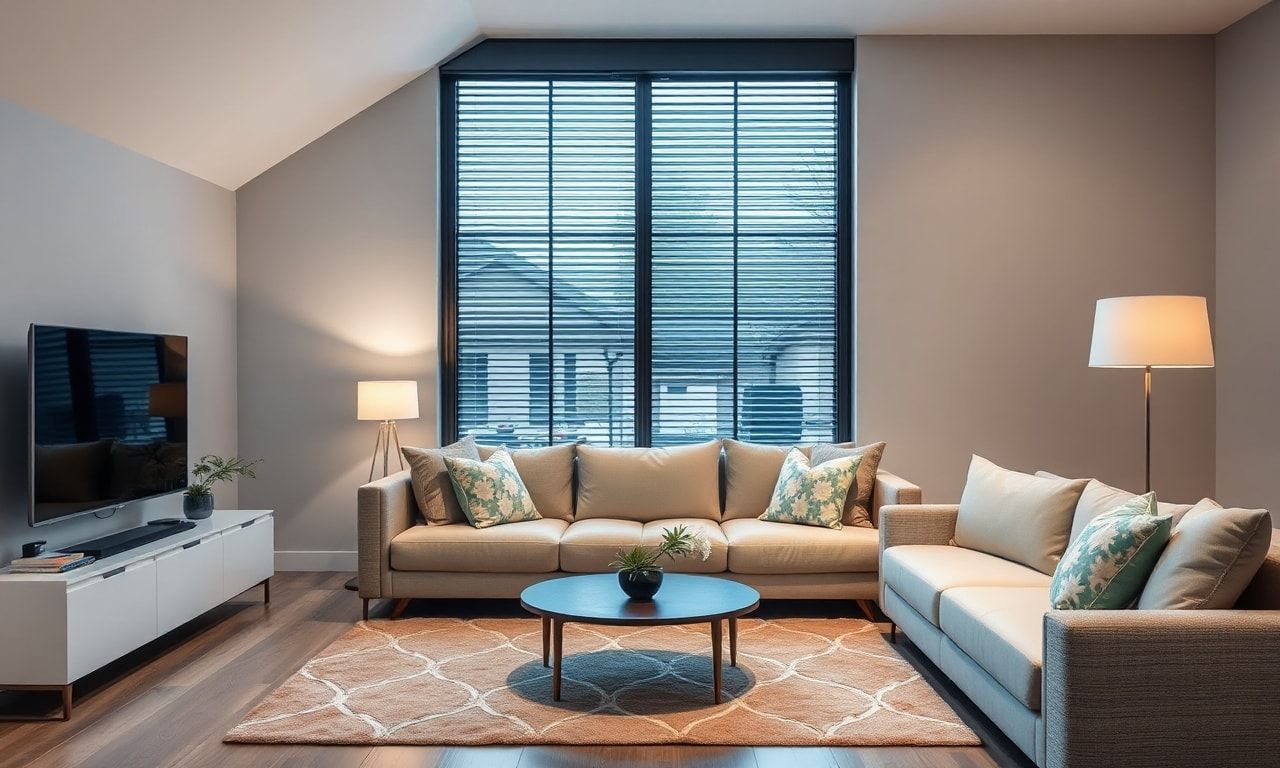
The Evolution of Smart Homes
The landscape of home technology is undergoing a significant transformation, with smart home devices becoming increasingly prevalent in households across Lisburn and beyond. These innovative technologies are designed to enhance convenience, security, and efficiency, making daily life more manageable and enjoyable. From smart thermostats to advanced security systems, the integration of these devices is reshaping the way we interact with our living spaces.
Enhancing Convenience with Smart Appliances
One of the most notable benefits of smart home technology is the convenience it offers. Smart appliances, such as refrigerators, washing machines, and ovens, can be controlled remotely via smartphone apps. This allows homeowners to manage their household chores with ease, even when they are not at home. For instance, a smart oven can be preheated before arriving home, ensuring that meals are ready on time. Additionally, smart refrigerators can monitor food inventory and suggest cooking recipes easy weeknight based on the available ingredients, streamlining the meal planning process.
Improving Home Security
Security is a top priority for homeowners, and smart home technology is revolutionizing the way we protect our properties. Smart security systems, including cameras, doorbell cameras, and motion sensors, provide real-time monitoring and alerts. These devices can be accessed remotely, allowing homeowners to keep an eye on their property at all times. Furthermore, smart locks offer an added layer of security by enabling keyless entry and granting temporary access to visitors or service providers. This not only enhances safety but also provides peace of mind for residents.
Energy Efficiency and Cost Savings
Smart home technology is also contributing to energy efficiency and cost savings. Smart thermostats, for example, can learn the heating and cooling preferences of a household and adjust settings accordingly to optimize energy usage. This not only reduces energy consumption but also lowers utility bills. Similarly, smart lighting systems can be programmed to turn off lights when not in use, further conserving energy. These innovations are not only beneficial for the environment but also for the wallet, making smart home technology a worthwhile investment.
Future Trends in Smart Home Technology
The future of smart home technology is bright, with continuous advancements and innovations on the horizon. Experts predict that artificial intelligence (AI) and machine learning will play a significant role in the development of smart homes. AI-powered assistants, such as Amazon Alexa and Google Assistant, are already becoming more sophisticated, offering personalized recommendations and automating various tasks. Additionally, the Internet of Things (IoT) is expected to expand, connecting more devices and creating a seamless, interconnected home environment. These advancements will further enhance the convenience, security, and efficiency of smart homes, making them an integral part of modern living.
Conclusion
The rise of smart home technology is transforming daily life in Lisburn and beyond. From enhancing convenience and security to improving energy efficiency, these innovative devices are reshaping the way we interact with our living spaces. As technology continues to evolve, the future of smart homes looks promising, with AI and IoT driving further advancements. Embracing these technologies can lead to a more efficient, secure, and enjoyable lifestyle, making smart home technology a valuable addition to any household.
As smart home technology continues to advance, understanding its evolution is crucial; delve into smart home tech progress for a detailed analysis.
As technology continues to reshape our daily lives, smart home trends are evolving rapidly.
As sustainability gains global momentum, discover how to begin your journey with our guide on sustainable living in Qatar, offering practical steps for residents.
