
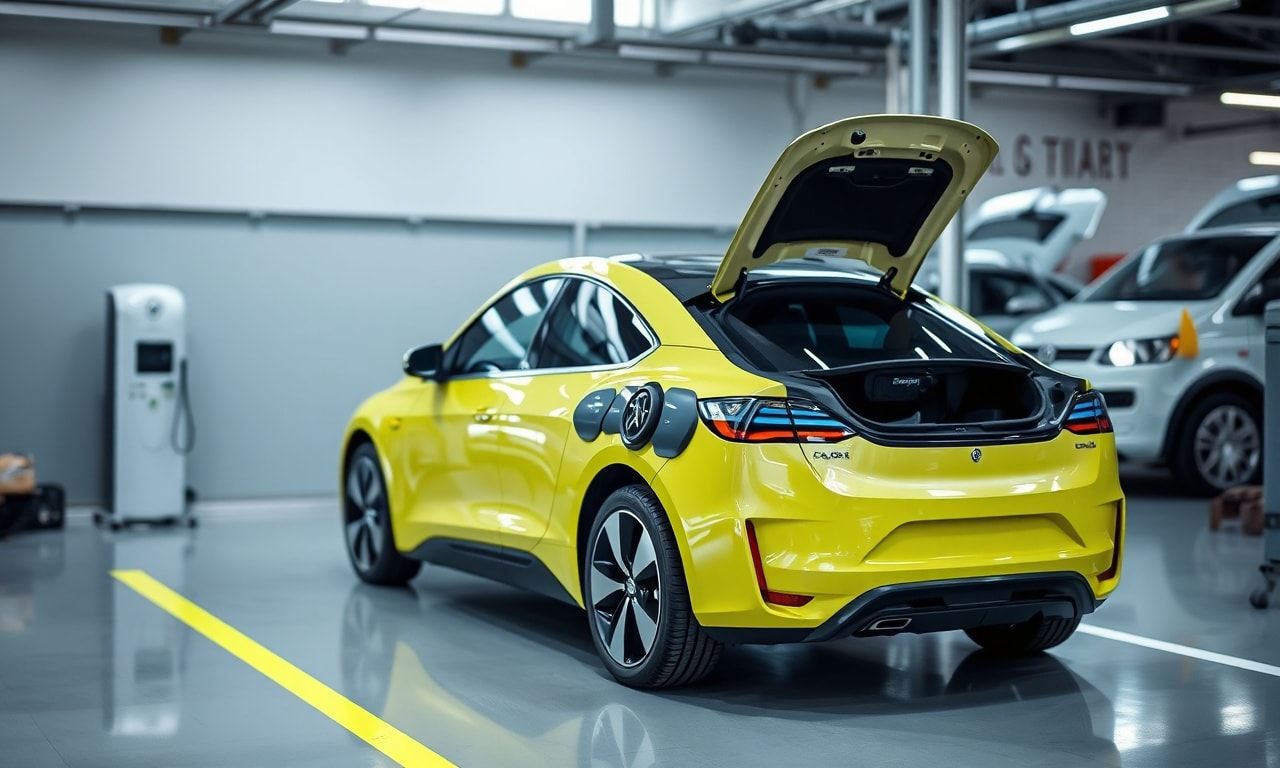
The Global Shift Towards Electric Vehicles
The automotive industry is undergoing a significant transformation, with electric vehicles (EVs) taking center stage. Governments worldwide are implementing stricter emissions regulations, and consumers are becoming more environmentally conscious. This shift has led to a surge in EV adoption, with manufacturers ramping up production to meet demand. However, potential buyers often have questions about the long-term costs associated with owning an electric vehicle, particularly maintenance expenses.
Understanding Electric Vehicle Maintenance
One of the most compelling advantages of electric vehicles is their lower maintenance requirements compared to traditional internal combustion engine (ICE) vehicles. EVs have fewer moving parts, which translates to reduced wear and tear. There are no oil changes, spark plug replacements, or timing belt changes to worry about. However, EVs do require specific maintenance tasks, such as tire rotations, brake inspections, and battery checks.
For those considering an EV, understanding the elektrikli araba bakım maliyeti hesaplama is crucial. Various online tools can help potential buyers estimate these costs, providing a clearer picture of the financial implications over time. These calculators take into account factors such as the type of EV, driving habits, and local electricity rates to offer a personalized estimate.
Key Maintenance Tasks for Electric Vehicles
Maintaining an EV involves several key tasks that ensure the vehicle remains in optimal condition. Regular software updates are essential for keeping the vehicle’s systems up-to-date and functioning smoothly. Battery health is another critical aspect, as the battery is the most expensive component of an EV. Regular checks and proper charging practices can extend the battery’s lifespan.
Brake systems in EVs also require attention. Regenerative braking, a feature common in EVs, reduces wear on brake pads and rotors. However, regular inspections are still necessary to ensure the braking system is functioning correctly. Tire maintenance is another important consideration, as EVs tend to have heavier batteries, which can affect tire wear.
The Environmental and Financial Benefits
The environmental benefits of electric vehicles are well-documented. EVs produce zero tailpipe emissions, reducing air pollution and contributing to a healthier planet. Additionally, the use of renewable energy sources to charge EVs further enhances their environmental friendliness. From a financial perspective, the lower maintenance costs and potential savings on fuel expenses make EVs an attractive option for many consumers.
Government Incentives and Tax Credits
Many governments offer incentives to encourage the adoption of electric vehicles. These incentives can include tax credits, rebates, and reduced registration fees. For example, in the United States, the federal government offers a tax credit of up to $7,500 for the purchase of a new EV. Additionally, some states and local governments provide further incentives, such as exemptions from certain fees and access to carpool lanes.
In Europe, countries like Norway and the Netherlands have implemented aggressive policies to promote EV adoption. These policies include substantial tax breaks, free parking, and access to bus lanes. Such incentives not only make EVs more affordable but also highlight the commitment of governments to reducing carbon emissions and promoting sustainable transportation.
The Future of Electric Vehicles
The future of electric vehicles looks promising, with advancements in battery technology and charging infrastructure. Companies are investing heavily in research and development to improve battery life, charging speeds, and overall vehicle performance. The development of solid-state batteries, for instance, could significantly increase the range and safety of EVs.
Charging infrastructure is another area of rapid growth. The number of public charging stations is increasing worldwide, making it more convenient for EV owners to charge their vehicles on the go. Innovations in wireless charging and battery swapping technologies are also on the horizon, promising to revolutionize the way we power our vehicles.
Consumer Awareness and Education
As the EV market continues to grow, consumer awareness and education are crucial. Potential buyers need to understand the benefits and challenges associated with EV ownership. This includes knowing about maintenance costs, charging options, and the environmental impact of their choice. Educational campaigns and informative resources can play a significant role in helping consumers make informed decisions.
In conclusion, the rise of electric vehicles represents a significant shift in the automotive industry. With lower maintenance costs, environmental benefits, and government incentives, EVs offer a compelling alternative to traditional vehicles. As technology continues to advance, the future of electric vehicles looks brighter than ever, promising a more sustainable and efficient transportation system.
As more people seek sustainable living solutions, practical tips for natural living offers a comprehensive guide to incorporating eco-friendly practices at home.
