
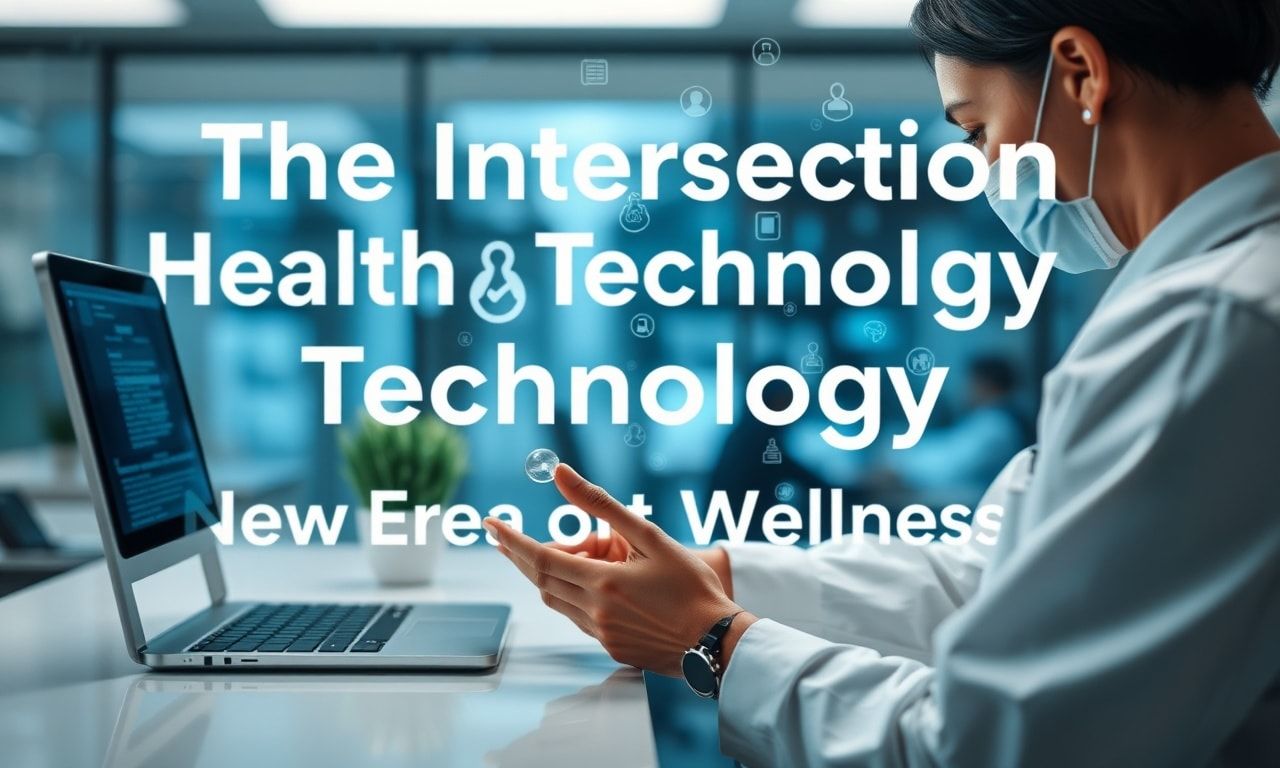
The Digital Transformation of Healthcare
The healthcare industry is undergoing a significant transformation, driven by rapid advancements in technology. From telemedicine to wearable devices, technology is revolutionizing the way we approach health and wellness. This digital shift is not only making healthcare more accessible but also more personalized and efficient. As we delve into this new era, it’s crucial to understand the implications and benefits of these technological advancements.
The Rise of Telemedicine
Telemedicine, the practice of providing medical care remotely through digital platforms, has seen a meteoric rise, especially in the wake of the COVID-19 pandemic. This technology has made healthcare more accessible to individuals in remote areas and those with mobility issues. According to recent studies, the number of telehealth visits surged by over 150% in 2020. This trend is expected to continue, with more healthcare providers integrating telemedicine into their practices. The convenience and efficiency of telemedicine are undeniable, but it also raises questions about data privacy and the quality of care delivered remotely.
Wearable Technology and Health Monitoring
Wearable technology has become a staple in the health and wellness industry. Devices like smartwatches and fitness trackers allow users to monitor their heart rate, sleep patterns, and physical activity in real-time. These devices provide valuable data that can help individuals make informed decisions about their health. For instance, a study published in the Journal of Medical Internet Research found that wearable devices can significantly improve physical activity levels and overall health outcomes. However, the accuracy and reliability of these devices remain a topic of debate among healthcare professionals.
For those interested in exploring more about health and wellness, the önerilen makaleler okuma listesi offers a curated list of articles that delve into various aspects of maintaining a healthy lifestyle. These resources can provide additional insights and practical tips for integrating technology into your wellness routine.
The Role of Artificial Intelligence in Healthcare
Artificial Intelligence (AI) is another technological advancement making waves in the healthcare sector. AI algorithms can analyze vast amounts of medical data to identify patterns and predict outcomes, aiding in early diagnosis and treatment planning. For example, AI-powered imaging tools can detect anomalies in medical scans with a high degree of accuracy, often surpassing human capabilities. Additionally, AI chatbots are being used to provide mental health support and triage symptoms, offering immediate assistance to those in need. The integration of AI in healthcare promises to enhance efficiency and improve patient outcomes, but it also brings ethical considerations regarding data security and the potential for job displacement.
Challenges and Ethical Considerations
While the benefits of technology in healthcare are numerous, there are also significant challenges and ethical considerations to address. Data privacy and security are paramount, as sensitive medical information is increasingly being stored and transmitted digitally. Healthcare providers must implement robust cybersecurity measures to protect patient data from breaches and unauthorized access. Additionally, the digital divide poses a challenge, as not all individuals have equal access to technology and the internet. Ensuring that technological advancements are inclusive and accessible to all is crucial for equitable healthcare.
The Future of Health and Technology
The future of health and technology is bright, with ongoing research and development paving the way for even more innovative solutions. Emerging technologies such as virtual reality (VR) and augmented reality (AR) are being explored for their potential in medical training and patient rehabilitation. VR can simulate surgical procedures, allowing medical students to practice in a risk-free environment, while AR can assist surgeons during operations by providing real-time data and visual overlays. Furthermore, the integration of blockchain technology can enhance data security and interoperability, ensuring that medical records are accurate and tamper-proof.
As we continue to navigate this digital transformation, it’s essential to stay informed about the latest developments and their implications. By embracing technology responsibly and ethically, we can harness its full potential to improve health and wellness for all.
As mental health discussions gain prominence worldwide, our latest feature, mental health awareness on the rise, examines this significant shift in societal attitudes and policies.
As e-commerce continues to reshape global trade, recent trends and insights offer a comprehensive look at its far-reaching impact.
In the realm of health journalism, a recent piece titled living with diabetes in Turkey offers an in-depth look at the evolving landscape of diabetes management in the country.
