
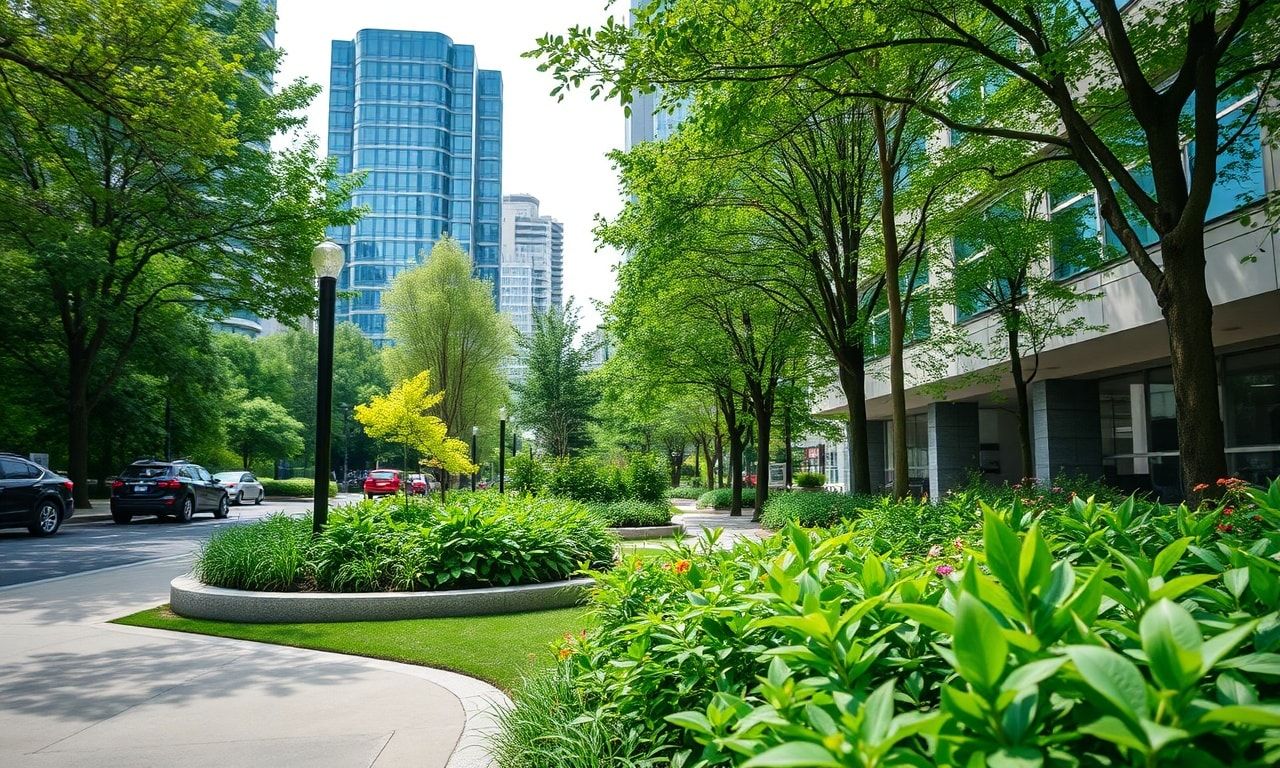
The Importance of Urban Green Spaces
In the heart of bustling cities, urban green spaces serve as vital sanctuaries for residents seeking respite from the concrete jungle. These spaces, ranging from sprawling parks to community gardens, offer a multitude of benefits that extend beyond mere aesthetics. They provide a haven for recreation, relaxation, and social interaction, playing a crucial role in enhancing the overall quality of urban life.
As urbanization continues to accelerate, the demand for accessible green spaces has never been greater. Cities around the world are recognizing the importance of integrating nature into urban planning. This shift is not only driven by the desire to create more livable cities but also by the growing body of research highlighting the positive impact of green spaces on mental health.
The Connection Between Green Spaces and Mental Well-being
Numerous studies have demonstrated a strong correlation between access to green spaces and improved mental health. Exposure to nature has been shown to reduce stress, anxiety, and depression, while also enhancing mood and overall well-being. The natural environment provides a calming effect, offering a break from the constant stimulation and pressure of urban life.
One of the key mechanisms through which green spaces exert their positive influence is by promoting physical activity. Engaging in outdoor exercises, such as walking, jogging, or cycling, in a natural setting can significantly boost mental health. Additionally, green spaces foster social interaction, which is another critical factor in maintaining mental well-being. Community gardens, for instance, not only provide a space for growing plants but also serve as a hub for social connections and community building.
London Parks Recreation Activities
London, a city renowned for its rich history and vibrant culture, boasts an impressive array of parks and green spaces that cater to a diverse range of recreational activities. From the iconic Hyde Park to the serene Hampstead Heath, these urban oases offer a plethora of opportunities for residents and visitors alike to engage in physical activities, relax, and connect with nature. For those seeking to explore the various London parks recreation activities, there is no shortage of options. Whether it’s a leisurely stroll, a vigorous bike ride, or a peaceful picnic, London’s parks provide the perfect backdrop for a variety of outdoor pursuits.
The Role of Urban Planning in Promoting Mental Health
Urban planners and policymakers are increasingly acknowledging the importance of incorporating green spaces into city designs. By prioritizing the development and maintenance of parks, gardens, and other natural areas, cities can create environments that support mental health and well-being. This approach not only benefits individual residents but also contributes to the overall health and vitality of urban communities.
In addition to providing recreational opportunities, green spaces can also mitigate the negative effects of urbanization, such as air pollution and noise. Trees and vegetation act as natural air filters, improving air quality and reducing the impact of urban heat islands. Furthermore, the presence of green spaces can enhance property values and attract businesses, contributing to the economic development of cities.
Community Engagement and Advocacy
Community engagement plays a pivotal role in ensuring that urban green spaces remain accessible and well-maintained. Local residents, community groups, and non-profit organizations often collaborate to advocate for the preservation and expansion of green spaces. By participating in community gardens, organizing clean-up events, or advocating for better urban planning policies, individuals can actively contribute to the creation of healthier and more sustainable cities.
Education and awareness campaigns are also essential in highlighting the benefits of green spaces and encouraging their use. By raising awareness about the positive impact of nature on mental health, communities can foster a greater appreciation for urban green spaces and promote their utilization. This collective effort can lead to the development of more inclusive and equitable urban environments that prioritize the well-being of all residents.
Conclusion
The importance of urban green spaces in promoting mental health cannot be overstated. As cities continue to grow and evolve, it is crucial to prioritize the integration of nature into urban planning. By doing so, cities can create environments that support the mental and physical well-being of their residents, fostering healthier, happier, and more vibrant communities. Through community engagement, advocacy, and education, we can ensure that urban green spaces remain a vital component of urban life, benefiting generations to come.
In the realm of cutting-edge technology, a recent development has sparked significant interest; explore the quantum computing advancements reshaping our future.
In the midst of urban development, Birmingham’s green spaces offer a vital respite, as explored in the city’s urban oases.
To gain a deeper understanding of the week’s local political developments, consider exploring recent governance challenges in detail.