
Introduction
The quest for sustainable energy solutions has become a global priority, and Northern Ireland is no exception. With a commitment to reducing carbon emissions and embracing renewable energy sources, the region is making significant strides towards a greener future. This article explores the current state of renewable energy in Northern Ireland, highlighting key projects, challenges, and future prospects.
The Current Landscape
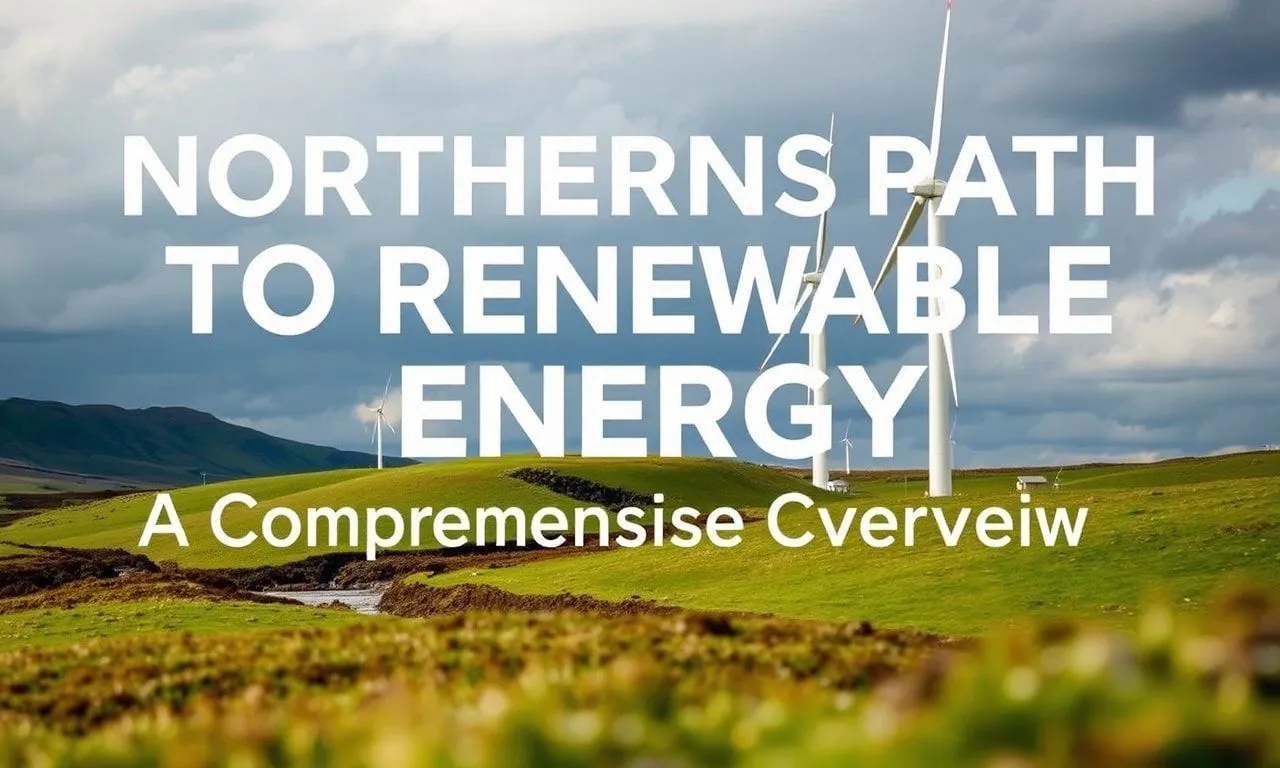
Northern Ireland has seen a notable increase in renewable energy projects over the past decade. Wind energy, in particular, has emerged as a dominant force in the region’s energy mix. The strong winds and expansive landscapes provide ideal conditions for both onshore and offshore wind farms. According to recent data, wind energy accounts for over 30% of the region’s electricity generation, making it a cornerstone of Northern Ireland’s renewable energy portfolio.
In addition to wind, other renewable sources such as solar, biomass, and hydroelectric power are also gaining traction. Solar energy projects, although smaller in scale compared to wind, are becoming increasingly common, particularly in rural areas. Biomass energy, derived from organic materials, is another growing sector, with several large-scale plants contributing to the region’s energy needs. Hydroelectric power, while less prevalent, still plays a role in certain areas with suitable water resources.
Key Projects and Developments
One of the most notable projects in recent years is the development of offshore wind farms. The SeaGen tidal energy project in Strangford Lough, for instance, has been a pioneering effort in harnessing tidal power. This innovative project has not only contributed to the region’s energy supply but has also positioned Northern Ireland as a leader in tidal energy technology.
Another significant development is the expansion of onshore wind farms. The Liverpool development projects update highlights similar initiatives in neighboring regions, showcasing the collaborative efforts to enhance renewable energy infrastructure. These projects are crucial in meeting the region’s renewable energy targets and reducing reliance on fossil fuels.
Challenges and Obstacles
Despite the progress, Northern Ireland faces several challenges in its journey towards a sustainable energy future. One of the primary obstacles is the intermittent nature of renewable energy sources. Wind and solar energy, for example, depend on weather conditions, which can lead to fluctuations in energy supply. This variability necessitates the development of advanced energy storage solutions to ensure a stable and reliable energy grid.
Another challenge is the regulatory and policy landscape. The transition to renewable energy requires robust policies and incentives to encourage investment and innovation. While there have been positive steps, such as the Renewable Heat Incentive (RHI) scheme, the implementation and effectiveness of these policies have faced criticism and controversy. Ensuring a consistent and supportive regulatory framework is essential for the continued growth of the renewable energy sector.
Community Engagement and Public Perception
Community engagement and public perception play a crucial role in the success of renewable energy projects. Local communities often have concerns about the visual impact of wind turbines, noise pollution, and potential effects on wildlife. Addressing these concerns through transparent communication, community benefits, and environmental impact assessments is vital for gaining public support.
Educational initiatives and public awareness campaigns can also help foster a more positive perception of renewable energy. By highlighting the long-term benefits, such as reduced carbon emissions, energy independence, and economic opportunities, these efforts can encourage broader acceptance and support for renewable energy projects.
Future Prospects and Innovations
The future of renewable energy in Northern Ireland looks promising, with several innovative projects and technologies on the horizon. Advances in energy storage, such as battery storage systems and pumped hydro storage, are expected to play a significant role in stabilizing the energy grid and ensuring a consistent supply of renewable energy.
Additionally, the development of smart grids and grid management systems will enhance the efficiency and reliability of the energy network. These technologies enable better integration of renewable energy sources, optimize energy distribution, and reduce energy losses. Investments in research and development, as well as collaboration with international partners, will be crucial in driving these innovations forward.
Conclusion
Northern Ireland’s journey towards a sustainable energy future is marked by significant achievements, ongoing challenges, and promising prospects. The region’s commitment to renewable energy, particularly wind and tidal power, has positioned it as a leader in the UK’s renewable energy landscape. By addressing the challenges of intermittency, regulatory frameworks, and public perception, Northern Ireland can continue to make strides towards its renewable energy targets. With continued investment, innovation, and community engagement, the region is well on its way to achieving a greener and more sustainable future.
