
How to write an obituary in Germany: practical guidance
A clear, practical guide for readers of Lisburn News on writing obituaries in Germany, including steps, legal notes, and common pitfalls.

If you need to publish an obituary in Germany, start by understanding the local expectations and legal basics. This guide explains how to craft a respectful notice, what to include, and how to verify details before publishing. It helps news readers distinguish between standard summaries and sensitive memorial notices, so readers receive clear, accurate information.
The article outlines practical steps for writing and placing an obituary, from collecting essential facts to choosing a suitable publication channel. It also flags common pitfalls, such as inaccuracies or inappropriate tone, that can undermine trust. By following the steps, readers can produce notices that meet community standards and newsroom guidelines.
Readers will gain concrete, publish-ready practices: what to verify, how to format, and where to submit notices. The approach emphasizes accuracy, tact, and compliance with local norms. It also points to resources and typical timelines so notices appear promptly and thoughtfully.
- Start with the essential facts: name, age, date and place of death. Include a brief life summary and funeral details if known.
- Choose the right channel for the notice based on audience and family preference. Coordinate deadlines with the newsroom to ensure timely publication.
- Verify spellings and dates with the family or funeral director, and avoid unverified rumors.
- Be mindful of privacy and sensitivity, avoiding sensational language or unnecessary details.
Basics of obituary writing
Understanding purpose
A clear obituary communicates who died, when, and how the person lived. It should be concise, respectful, and free of sensational detail. Start with the essential facts, then add context that helps readers remember the person. Nachruf schreiben in Deutschland is a task that benefits from local norms and clear facts.
- ☐ Confirm full name and age
- ☐ Record date and place of death
- ☐ Note key life milestones
- ☐ Decide on family’s preferred tone and length
- Define the deceased's full name and age
- Include date and place of death
- Mention surviving relatives if appropriate
Legal and ethical notes
In Germany, obituaries may be subject to consent and privacy considerations. Check local practice about mentioning relatives or sensitive details. Keep the tone respectful and non-defamatory to avoid complaints.
Be mindful of regional differences in how openly personal details are shared. When in doubt, err on the side of privacy and community norms.
Review the draft for accuracy and sensitivity before sending it to the publication.
How to structure the notice

Essential elements
A typical notice lists the deceased’s name, age, date and place of death, and a brief life summary. Include any funeral or memorial details if known. Maintain a neutral, factual tone throughout. For accuracy, consult sources and to avoid confusion, reference the article with the key terms in Gesetz Recht Deutschland Nachrichten.
- Gather official details
- Draft the notice
- Submit to editor
- Confirm publication date
Avoid emotive language that could appear sensational or misleading. Keep sentences short and information-focused.
Close with a clear statement about viewing, service times, or condolences if the publication requires it.
- Name, age, date/place of death
- Key life highlights
- Funeral details (if provided)
- Contact for further information or condolences
Choosing the right publication
Local papers often carry obituaries with community relevance. Decide whether to publish in a regional paper, a church bulletin, or an online memorial page. Consider audience reach and preferred tone for the family and community.
Some notices have to be filed through a funeral director or a family representative. Verify who handles submissions and deadlines.
If the notice appears in multiple outlets, harmonize dates and spellings to avoid confusion.
- Regional choice based on audience
- Preferred channel for family
- Submission deadlines
- Consistency across outlets
Options for notices
Traditional print vs online
Online notices can be updated quickly and reach distant relatives. Print notices provide a tangible record and may be required by certain communities. Weigh the permanence of a print notice against the flexibility of digital formats. Organizing the notice around dates helps when Termine veröffentlichen in Deutschland is a priority.
Ensure the chosen format supports the intended audience—local readers and family members abroad may rely on online updates for timely information.
Coordinate with the newsroom to align the obituary with platform-specific requirements.
- Print: formal, fixed layout
- Online: editable, wider reach
- Timing: publish before services
- Accessibility: mirrors and alt text for images
| Format | Reach | Maintenance |
|---|---|---|
| Print notice | Local, lasting | Fixed layout; slower updates |
| Online notice | Wider reach | Easily updated; needs moderation |
| Hybrid approach | Best of both | Requires coordination |
Contact and verification
Include a contact option for condolences or further inquiries. Verify spellings of names and dates with the family or funeral director. Accurate contact details prevent miscommunication and reduce follow-up questions.
- Confirm spelling of names
- Double-check dates and places
- Provide a reliable contact
- Set expectations for replies or updates
Neglecting funeral details can leave readers in the dark; include verified arrangements if the family has shared them.
Pitfalls to avoid

Common errors
Misspelled names, incorrect dates, or inconsistent life details undermine credibility. A rushed draft can misstate facts or omit essential information. Take time to cross-check every item against official records or family statements. Local directories and guides, like ein lokales Branchenbuch in Deutschland, can help readers find further memorial resources.
Avoid overly literary language that obscures facts. News readers expect clear, direct information rather than flowery prose.
Neglecting funeral details can leave readers in the dark; include verified arrangements if the family has shared them.
- Misspellings
- Dates wrong
- Inconsistent life events
- Missing funeral details
Privacy and sensitivity
Some families prefer minimal disclosure, especially about illness or causes of death. Respect those boundaries in line with local norms. When details are disclosed, present them factually and without speculation.
Do not broadcast unverified rumors or second-hand information. Confirm with a family member or funeral director before publishing.
Ethics and compliance
Legal considerations for notices
Obituaries in Germany must respect privacy and truthfulness. Confirm details with family before publishing, especially dates and causes of death. Use neutral language and avoid speculative statements that could mislead readers. Stellenanzeige aufgeben in Deutschland is commonly handled through local recruitment or obituary sections and can influence how notices are received by the community.
When uncertain about consent, defer to a family member or executor who has the authority to approve content. Public notices should not reveal sensitive medical information without a purpose tied to public interest.
Consult local printing requirements and regulatory guidelines for death notices to ensure correct formatting and submission timelines.
- Verify consent from a rightful representative
- Avoid unverified claims about the deceased
- Keep the tone respectful and factual
- Adhere to local newspaper policies
Community response

Readers’ reactions and sensitivities
Obituaries can unify communities by acknowledging shared loss and highlighting the deceased’s public contributions. Handle readers’ reactions with care, especially in support forums or letters to the editor. Provide space for condolences while filtering harmful commentary.
- Include practical details when useful.
- Respect emotional impact in wording.
Public notices should reflect the community’s values and avoid sensationalism that can retraumatize mourners. Include practical details like funeral date and venue when appropriate.
Consider offering a brief resource box for grief support organizations if appropriate to the community.
Adapting for different communities
Cultural tailoring of notices
Germany hosts diverse communities with varied rites. Adapt language to reflect cultural or religious contexts while staying within standard obituary conventions. Acknowledge affiliations or traditions respectfully without overgeneralizing.
Consult community leaders or cultural associations if there are specific expectations about tone or content. Provide translations or bilingual notices when needed to reach wider audiences.
Balance universal respect with niche practices to avoid alienating readers who expect certain rituals to be honored.
- Use inclusive language
- Respect religious and cultural practices
- Offer translations when necessary
- Coordinate with community leaders
Digital memorials
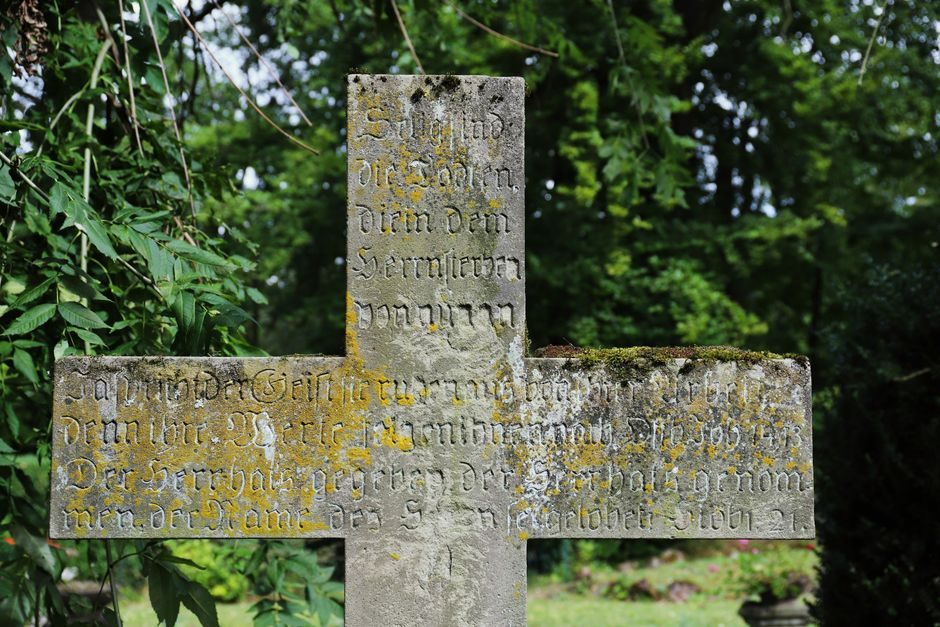
Online memorials and social media
Digital memorials extend reach beyond the print edition. Include a link or QR code if the platform allows it, directing readers to a verified memorial page. Ensure the digital text mirrors the obituary’s factual tone and avoids promotional language.
- Offer clear access instructions for online memorials.
- Explain privacy controls to readers.
Moderate comments or guest posts to prevent harassment or misinformation. Monitor platforms for respect and accuracy, and remove content that violates guidelines.
Provide guidance on privacy settings and how families can control what is shared publicly while still honoring the deceased.
- Link to official memorial pages
- Moderate reader submissions
- Protect family privacy online
- Explain access options briefly
Frequently asked questions
Who should approve the obituary content before publication?Typically a close family member or executor approves the text. If there is no immediate family, the newspaper may consult a designated representative or legal caretaker to confirm details and consent.
What if new information emerges after publication?Publish a brief clarification or update as soon as possible. Keep the language factual and avoid revising the deceased’s legacy; provide the correct dates, affiliations, or funeral details.
Can notices be published in multiple languages?Yes, when necessary. Coordinate with the editor to produce accurate translations that preserve meaning and tone, and ensure both versions convey the same essential facts.
How are online memorials integrated with print notices?Provide a link or QR code if allowed, and ensure the digital memorial mirrors the print obituary in tone and facts. Monitor and moderate comments to protect readers and families.
Final guidance and practical steps
Begin with a clear roster of facts: name, dates, and key life milestones. This anchors the memorial in verified information and guides the rest of the notice.
Set a respectful tone that honors the person’s life and acknowledges the community’s needs for information and condolences. Coordinate with the family to balance privacy with public remembrance.

Add Lisburn News as a preferred source on Google


