
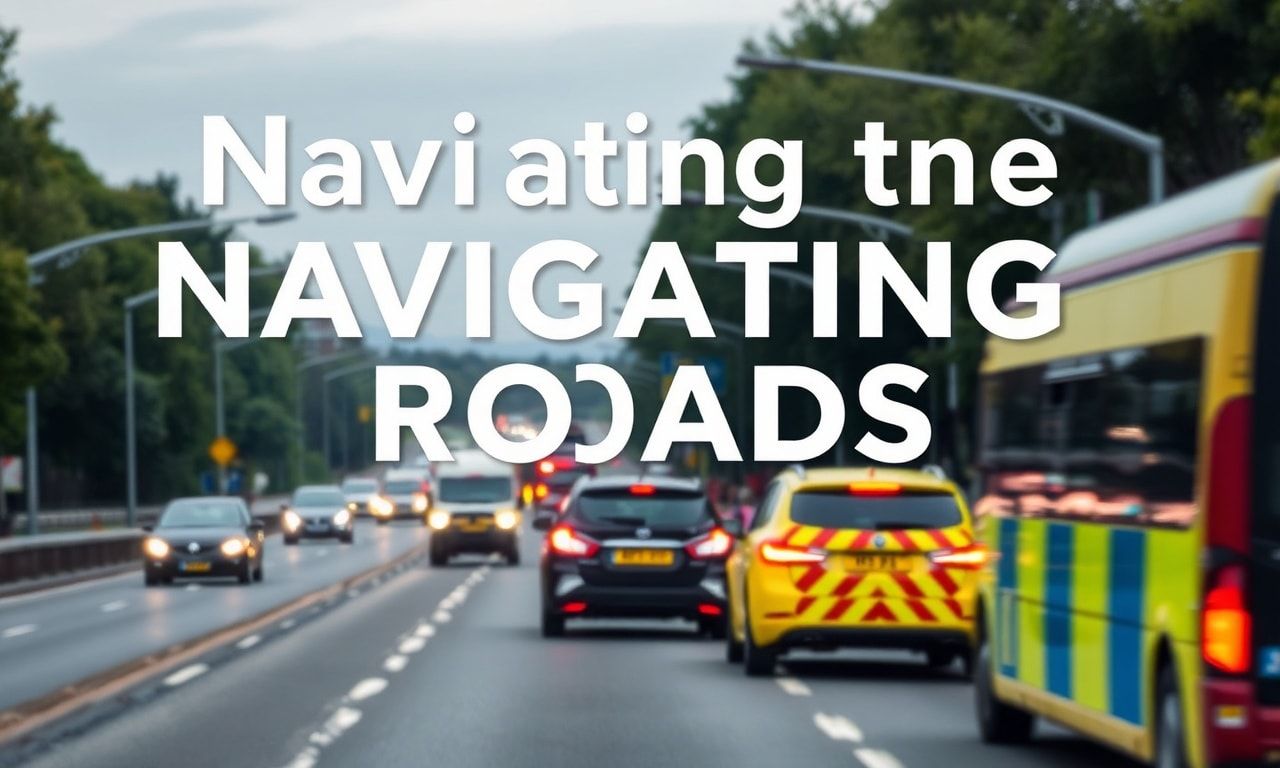
The Impact of Recent Weather on UK Roads
The United Kingdom has recently experienced a series of weather events that have significantly impacted road conditions across the country. From heavy rainfall to unexpected snowfall, these weather patterns have led to numerous travel disruptions and delays. Motorists are advised to stay informed about the latest road conditions and plan their journeys accordingly. For those traveling through London, keeping an eye on the London traffic update today is crucial to avoid unexpected delays.
Local authorities have been working tirelessly to clear roads and ensure safe passage for commuters. However, the frequency of these weather events has put a strain on resources, leading to calls for better infrastructure and emergency response planning. The Met Office has warned of further disruptions in the coming weeks, urging drivers to be prepared and cautious.
Key Areas Affected by Recent Weather
Several regions in the UK have been particularly hard hit by the recent weather conditions. In the north, heavy snowfall has led to the closure of major highways, causing significant delays for both commercial and personal travel. In the south, flooding has been a major concern, with several roads becoming impassable due to water accumulation.
The Midlands have also seen their share of disruptions, with icy conditions making driving hazardous. Local councils have been working around the clock to spread grit and salt on the roads, but the sheer volume of affected areas has made it a challenging task. Commuters are advised to check local news sources for the latest updates on road conditions before setting out on their journeys.
The Role of Technology in Traffic Management
In response to the increasing frequency of traffic disruptions, there has been a growing emphasis on the use of technology to manage and mitigate the impact on road users. Advanced traffic monitoring systems, real-time updates, and intelligent transport systems are becoming increasingly common, providing drivers with the information they need to navigate safely and efficiently.
One of the most significant advancements in this area is the use of AI-powered traffic prediction models. These models analyze vast amounts of data, including weather patterns, historical traffic data, and real-time road conditions, to provide accurate predictions of potential disruptions. This information is then relayed to drivers through various platforms, including mobile apps and in-car navigation systems.
The Benefits of Real-Time Traffic Updates
Real-time traffic updates have become an essential tool for drivers, providing them with the latest information on road conditions, accidents, and other disruptions. These updates are typically delivered through a combination of GPS data, traffic cameras, and reports from other drivers. By staying informed, drivers can make better decisions about their routes and avoid potential hazards.
In addition to improving safety, real-time traffic updates can also help reduce congestion. By providing drivers with alternative routes and travel times, these updates can help distribute traffic more evenly across the road network, reducing the likelihood of bottlenecks and delays. This is particularly important in urban areas, where traffic congestion is a major issue.
The Future of Traffic Management in the UK
As the UK continues to grapple with the challenges of managing its road network, there is a growing recognition of the need for a more integrated and holistic approach to traffic management. This includes not only the use of advanced technology but also the development of better infrastructure and the implementation of more effective policies and regulations.
One of the key areas of focus is the development of smart cities, which use a combination of sensors, data analytics, and intelligent transport systems to manage traffic more effectively. By integrating these technologies into the urban environment, cities can reduce congestion, improve safety, and enhance the overall quality of life for residents.
The Role of Government and Local Authorities
The government and local authorities also have a crucial role to play in the future of traffic management. This includes investing in better infrastructure, such as smart traffic lights and dedicated bus lanes, as well as implementing policies that encourage the use of public transport and active travel, such as cycling and walking.
In addition, there is a need for greater collaboration and coordination between different agencies and stakeholders. This includes working with technology providers, transport operators, and other key players to ensure that traffic management systems are effective, efficient, and sustainable. By taking a more integrated approach, the UK can build a more resilient and future-proof traffic management system that meets the needs of all road users.
Conclusion
The recent weather events in the UK have highlighted the importance of effective traffic management and the need for a more integrated and holistic approach to addressing the challenges of road travel. By leveraging the power of technology, investing in better infrastructure, and implementing more effective policies and regulations, the UK can build a more resilient and sustainable traffic management system that meets the needs of all road users.
As we look to the future, it is clear that the role of technology will continue to grow, providing drivers with the information and tools they need to navigate safely and efficiently. By embracing these advancements and working together, we can create a better, more connected, and more sustainable transport network for all.
As society navigates the complexities of modern life, understanding the mental health and social balance becomes increasingly crucial.
To gain a deeper understanding of worldwide happenings, explore international news and events through a global lens.
To stay informed about the latest transformations in the region, consider exploring Wolfsburg’s evolving urban landscape and the key projects driving change.
