
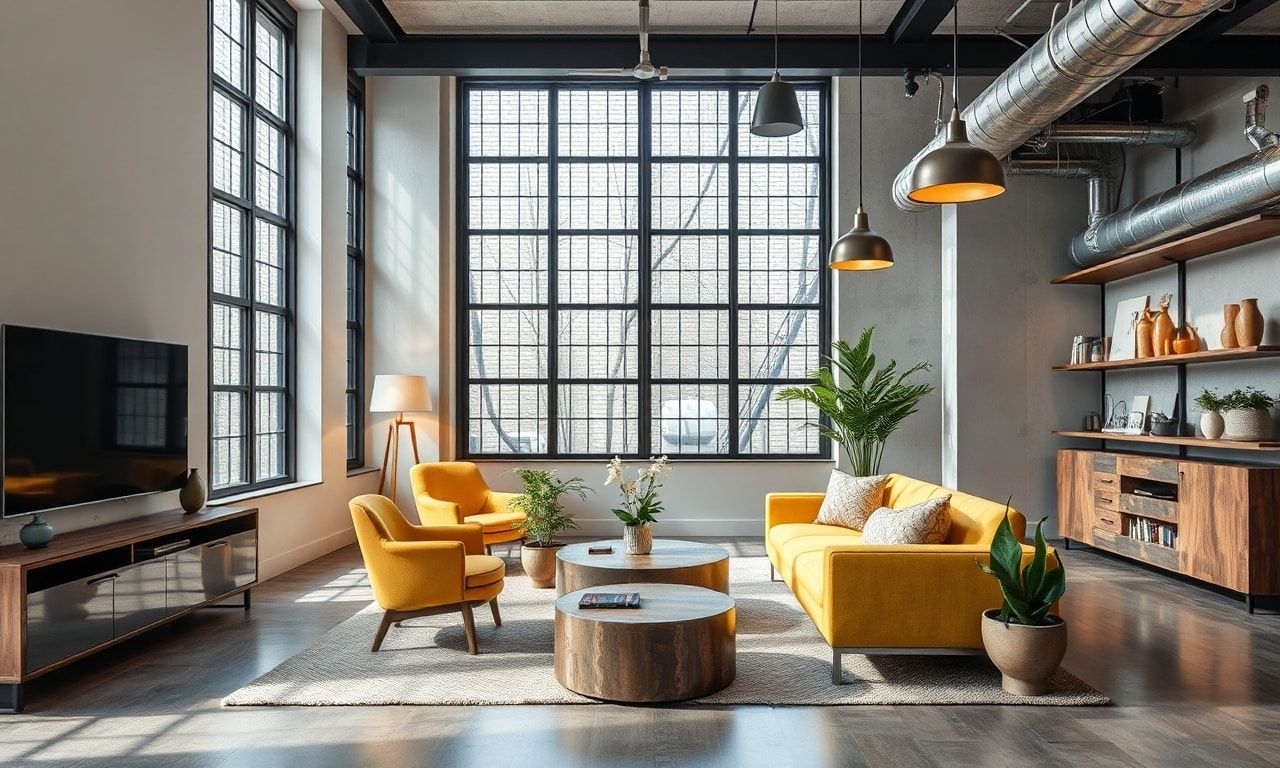
The Rise of Industrial Design in Homes
The world of interior design is constantly evolving, with new trends emerging every year. One of the most notable shifts in recent times is the growing popularity of industrial design in home interiors. This style, once confined to loft apartments and urban spaces, is now making its way into suburban homes and even rural retreats. The appeal lies in its raw, unpretentious charm, which offers a stark contrast to the polished, minimalist aesthetics that have dominated interior design for the past decade.
The Appeal of Industrial Design
Industrial design is characterized by its use of raw materials like exposed brick, metal, and wood. It often features open spaces, high ceilings, and large windows, which allow natural light to flood the room. The style is also known for its functional, utilitarian approach to furniture and decor. Unlike traditional interior design, which often prioritizes aesthetics over function, industrial design celebrates the beauty of functionality.
This shift towards industrial design can be attributed to several factors. For one, there’s a growing appreciation for authenticity and imperfection. In a world where social media often presents an idealized, filtered version of reality, many people are seeking out spaces that feel real and lived-in. Industrial design, with its raw, unpolished surfaces and exposed structural elements, offers a refreshing break from the perfectionism that pervades many aspects of modern life.
Additionally, there’s a growing interest in sustainability and eco-friendliness. Industrial design often incorporates recycled and upcycled materials, making it a popular choice for those looking to reduce their environmental impact. Furthermore, the style’s emphasis on functionality and durability aligns with the growing trend towards mindfulness and intentional living.
Ideas for an Industrial Living Room
If you’re considering incorporating industrial design into your home, the living room is a great place to start. One idea is to use a idee per un salotto industriale that features a mix of metal and wood. This could include a metal-framed sofa with wooden legs, or a coffee table made from reclaimed wood and steel. Another idea is to use exposed brick or concrete as a backdrop for your furniture. This can create a striking contrast with softer, more traditional pieces, and add a touch of urban chic to your space.
The Global Influence of Industrial Design
The influence of industrial design can be seen in homes and businesses around the world. In Europe, cities like Berlin and London have long been associated with industrial design, thanks to their abundance of converted warehouses and factories. In the United States, industrial design has gained popularity in cities like New York and Chicago, where loft apartments and industrial-style lofts are common.
In Asia, industrial design is also making waves. In cities like Tokyo and Shanghai, where space is at a premium, industrial design offers a practical solution for maximizing square footage. The style’s emphasis on open spaces and multifunctional furniture makes it an ideal choice for small apartments and urban dwellings.
The Future of Industrial Design
As the world becomes increasingly urbanized, the demand for industrial-style homes and businesses is likely to continue growing. Moreover, as people become more conscious of their environmental impact, the sustainability and eco-friendliness of industrial design will make it an even more appealing choice.
However, as with any trend, there’s a risk of industrial design becoming overly commercialized and losing its authenticity. To avoid this, it’s important to remember the core principles of industrial design: functionality, durability, and a celebration of the imperfect. By keeping these principles in mind, we can ensure that industrial design remains a meaningful and authentic choice for years to come.
Conclusion
The rise of industrial design in home interiors is a reflection of broader cultural shifts towards authenticity, sustainability, and functionality. As we continue to navigate an increasingly complex and interconnected world, the appeal of industrial design is likely to grow. Whether you’re looking to revamp your living room or design a new home, considering an industrial aesthetic could be a rewarding and meaningful choice.
In the realm of current sports events, a compelling exploration of resilience is found in how athletes build mental strength, highlighting the often overlooked psychological aspects of competition.
As lifestyles evolve, many are embracing simplicity; explore the global shift towards minimalism in our latest feature.
