
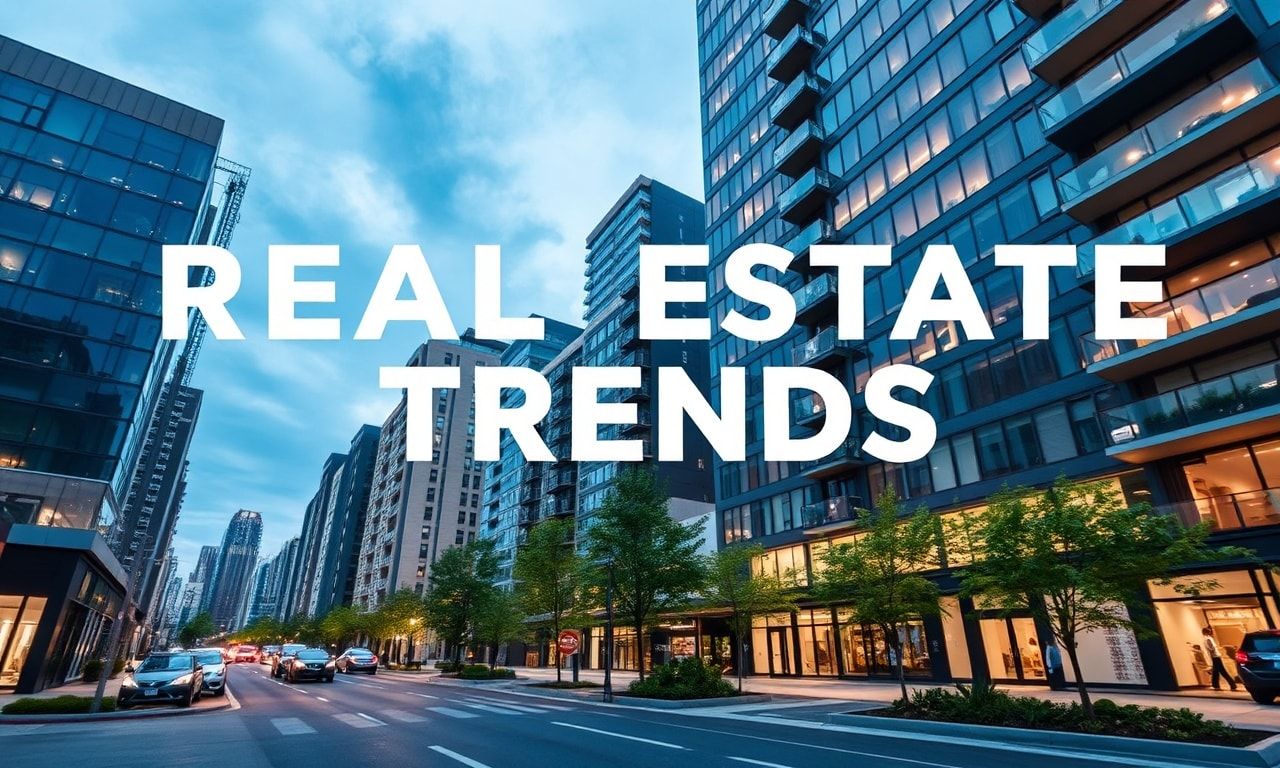
The Shifting Landscape of Urban Real Estate
The global real estate market is undergoing significant transformations, driven by technological advancements, economic shifts, and changing lifestyle preferences. Urban areas, in particular, are witnessing a dynamic evolution in how spaces are utilized and inhabited. This article delves into the current trends and future prospects of urban real estate, offering insights into what lies ahead for city dwellers and investors alike.
Technological Innovations Reshaping Urban Living
Technology is at the forefront of redefining urban living. Smart homes equipped with IoT devices are becoming increasingly popular, offering residents enhanced convenience and security. Additionally, virtual reality (VR) and augmented reality (AR) technologies are revolutionizing the way properties are marketed and viewed. Potential buyers and renters can now take virtual tours of properties from the comfort of their homes, a trend that has gained substantial traction, especially in the wake of the COVID-19 pandemic.
Moreover, the integration of sustainable technologies is becoming a critical factor in urban real estate. Green buildings that incorporate renewable energy sources, such as solar panels and wind turbines, are gaining popularity. These buildings not only reduce carbon footprints but also offer long-term cost savings for residents. The demand for eco-friendly living spaces is on the rise, driven by a growing awareness of environmental issues and the need for sustainable urban development.
The Impact of Economic Shifts on Urban Real Estate
Economic factors play a pivotal role in shaping the real estate market. The COVID-19 pandemic has had a profound impact on urban economies, leading to shifts in demand and supply. Remote work has become a norm for many, prompting a surge in demand for larger living spaces that can accommodate home offices. This trend has led to an increase in the popularity of suburban and exurban areas, as people seek more space and affordability.
However, urban centers continue to hold their appeal, particularly for young professionals and investors. Cities like New York, London, and Tokyo remain hubs of economic activity, attracting a steady stream of residents and businesses. The demand for luxury apartments and high-end condominiums in these cities remains robust, driven by a strong economy and a thriving job market.
For those looking to rent in urban areas, resources like bakırköy’de kiralık daire bulmak için rehber can be invaluable. These platforms provide comprehensive guides and listings, helping renters navigate the complex real estate market and find properties that meet their needs and budget.
Changing Lifestyle Preferences and Urban Living
Lifestyle preferences are evolving, and this is reflected in the types of properties that are in demand. There is a growing preference for mixed-use developments that combine residential, commercial, and recreational spaces. These developments offer a seamless blend of living, working, and leisure, catering to the modern urban lifestyle.
Community amenities are also becoming a key consideration for urban residents. Access to parks, fitness centers, and communal spaces is increasingly important, as people seek to balance work and leisure in their daily lives. Developers are responding to this demand by incorporating these amenities into their projects, creating vibrant and inclusive communities.
Furthermore, the concept of co-living is gaining traction, particularly among young professionals and students. Co-living spaces offer affordable and flexible housing solutions, fostering a sense of community and shared responsibility. These spaces are equipped with shared amenities, such as kitchens, living rooms, and workspaces, promoting social interaction and collaboration.
The Future of Urban Real Estate
The future of urban real estate is poised for further innovation and adaptation. As technology continues to advance, we can expect to see more smart cities and sustainable urban developments. The integration of AI and machine learning will enhance property management and maintenance, making urban living more efficient and convenient.
Economic stability and growth will remain crucial in shaping the real estate market. While urban centers will continue to attract residents and businesses, suburban and exurban areas will also see increased demand, driven by affordability and the desire for larger living spaces.
Lifestyle preferences will continue to evolve, with a greater emphasis on community, sustainability, and flexibility. Developers will need to adapt to these changing preferences, creating properties that cater to the diverse needs of urban residents.
In conclusion, the urban real estate market is in a state of flux, driven by technological advancements, economic shifts, and changing lifestyle preferences. As we look to the future, it is clear that innovation and adaptability will be key to meeting the demands of urban living. Whether you are a resident, investor, or developer, staying informed about these trends will be crucial in navigating the dynamic landscape of urban real estate.
Discover the transformative changes in Bakırköy through urban renewal and social dynamics, as the district embraces a new lifestyle.
In light of recent discussions on urban development and public health, we suggest examining Bakırköy’s unique approach to wellness for a comprehensive perspective on the matter.
As technology continues to reshape our world, understanding its impact on financial planning is crucial; our latest feature, tech’s role in financial planning, offers an in-depth analysis of this evolving landscape.