
Introduction
The world is witnessing a significant shift in urban infrastructure, with cities around the globe investing heavily in projects aimed at enhancing mobility, sustainability, and connectivity. These initiatives are not only reshaping the physical landscapes of cities but also influencing the economic and social fabric of communities. In this article, we explore some of the most ambitious infrastructure projects set to redefine urban mobility in the coming years.
The Rise of Sustainable Transportation
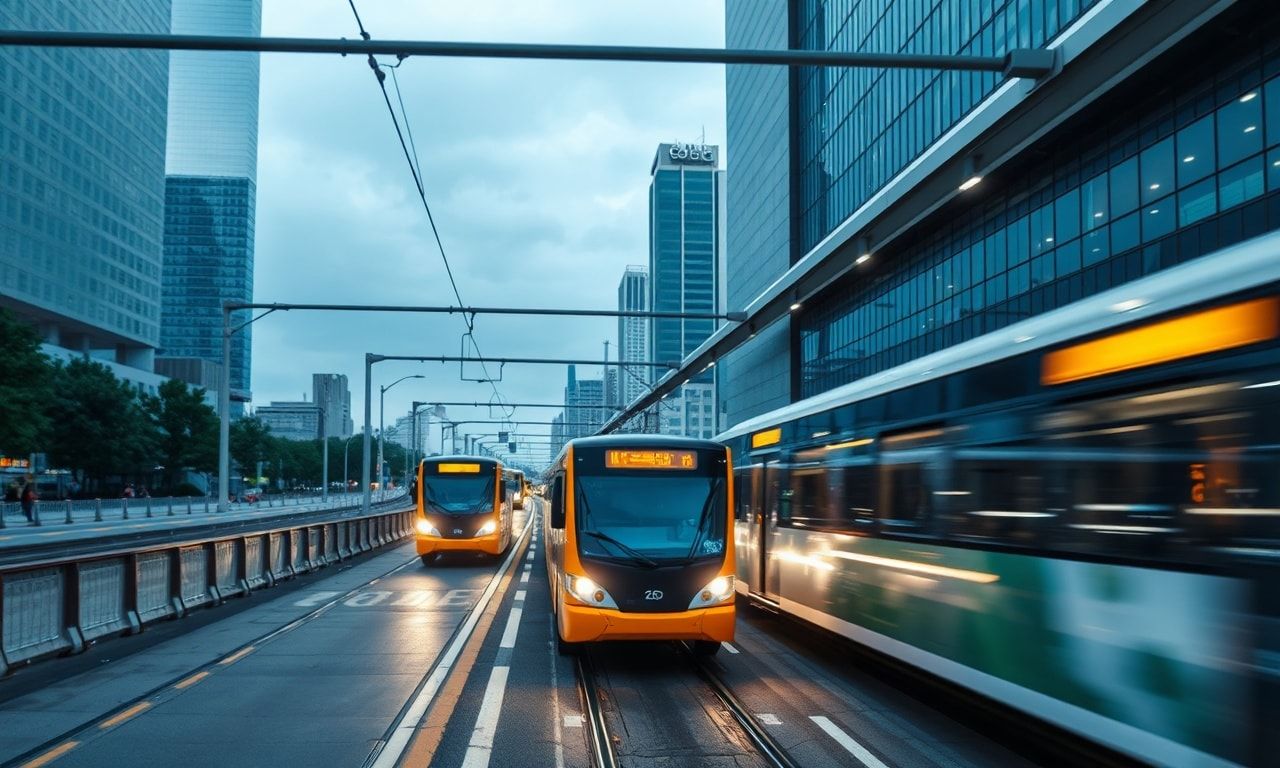
As the global focus shifts towards sustainability, cities are increasingly adopting eco-friendly transportation solutions. Electric vehicles (EVs), bike-sharing programs, and public transit expansions are becoming the norm. For instance, Frankfurt, Germany, is at the forefront of this movement with its Frankfurt Verkehrsprojekte 2026, a comprehensive plan that aims to integrate sustainable transportation solutions into the city’s infrastructure by 2026. This project includes the expansion of bike lanes, the introduction of electric buses, and the enhancement of public transit systems to reduce carbon emissions and improve air quality.
Electric Vehicles and Charging Infrastructure
The adoption of electric vehicles is accelerating, driven by advancements in battery technology and supportive government policies. Cities are investing in extensive charging infrastructure to support this transition. For example, the Frankfurt Verkehrsprojekte 2026 includes plans to install thousands of new charging stations across the city, making it easier for residents to switch to electric vehicles. This initiative is part of a broader European trend towards reducing reliance on fossil fuels and promoting cleaner transportation options.
Smart Cities and Digital Integration
Smart city initiatives are transforming urban landscapes by integrating digital technologies into infrastructure management. These projects leverage data analytics, IoT (Internet of Things) devices, and AI (Artificial Intelligence) to optimize traffic flow, reduce congestion, and enhance public safety. For example, Singapore’s Smart Nation initiative aims to create a seamless digital experience for residents by integrating smart traffic lights, real-time public transit information, and digital payment systems. These innovations not only improve the quality of life for residents but also attract investment and tourism, boosting the local economy.
The Role of Public-Private Partnerships
Public-private partnerships (PPPs) are playing a crucial role in the development of urban infrastructure projects. By leveraging the expertise and resources of private companies, governments can accelerate the implementation of large-scale initiatives. For instance, the Frankfurt Verkehrsprojekte 2026 involves collaboration between the city government and private sector partners to fund and execute various components of the project. This approach ensures that the project benefits from the latest technological advancements and best practices in urban planning.
Challenges and Considerations
While the benefits of urban infrastructure projects are numerous, they also come with challenges. Funding, regulatory hurdles, and community resistance can slow down or derail even the most well-intentioned initiatives. For example, the Frankfurt Verkehrsprojekte 2026 has faced criticism from some residents concerned about the impact on local businesses and traffic patterns. Addressing these concerns requires transparent communication, community engagement, and a commitment to finding balanced solutions that benefit all stakeholders.
Environmental and Social Impact
Urban infrastructure projects must also consider their environmental and social impact. Sustainable practices, such as using eco-friendly materials and minimizing disruption to natural habitats, are essential. Additionally, projects should prioritize inclusivity, ensuring that improvements benefit all segments of the population, including low-income communities and individuals with disabilities. By adopting a holistic approach, cities can create infrastructure that is not only functional but also equitable and sustainable.
Conclusion
As cities around the world invest in ambitious infrastructure projects, the future of urban mobility is looking brighter and more sustainable. Initiatives like the Frankfurt Verkehrsprojekte 2026 demonstrate the potential for cities to integrate innovative solutions that enhance connectivity, reduce environmental impact, and improve the quality of life for residents. By embracing smart technologies, fostering public-private partnerships, and addressing community concerns, cities can pave the way for a more sustainable and inclusive future.